
Key Takeaways
- Dehydrated water is an empty container with a label that says "dehydrated water — just add water." It has been sold as a gag gift since the 1960s
- The joke is the product
- The product is the joke
- It endures because some pranks are structurally perfect
If you searched for "dehydrated water" and arrived here genuinely unsure what it is, you are in good company. Roughly half the people who encounter this product for the first time are not sure if it is a real thing or a joke. The answer is both, and also neither, depending on how strictly you define "real thing."
Dehydrated water is an empty container — usually a can, jar, or pouch — with professional-looking packaging that reads "Dehydrated Water" and includes instructions along the lines of "Just add water." The container is empty because the water has been "dehydrated." The instructions tell you to add water to reconstitute it. If you follow the instructions, you end up with water. If you do not follow the instructions, you end up with an empty container. Either way, you have been pranked.
It is, objectively, one of the purest gag gifts ever conceived. And it has been selling steadily since the 1960s.
Where Did Dehydrated Water Come From?
The concept dates back to at least the mid-20th century. The earliest commercial versions appeared in novelty shops and gag gift catalogs during the 1960s, typically packaged in cans that mimicked the look of canned goods or military rations. The timing was not accidental — the space race was in full swing, freeze-dried food was a novelty, and dehydrated everything (coffee, milk, soup mix) was showing up on grocery shelves. Dehydrated water was the logical absurd extension: if you can dehydrate coffee, why not water?
The joke also has roots in military humor. "Dehydrated water" appears in mid-century military jokes and training manuals as a hazing gag — new recruits were sometimes sent to retrieve a can of dehydrated water from the supply room, the military equivalent of asking the new kid to find a left-handed screwdriver.
Why Does It Still Sell?
The longevity of dehydrated water as a product category tells you something about what makes a gag gift work. Three things, specifically.
The joke is self-contained. You do not need to explain it. You do not need to set it up. The recipient reads the label, processes the contradiction, and either laughs or stares at it for ten seconds while their brain reboots. The packaging does all the work. No performance required from the gift giver.
It is universally safe. Dehydrated water offends no one. It embarrasses no one. It works for every age group, every relationship type, and every occasion where gag gifts are acceptable. It is the Switzerland of pranks — neutral, harmless, and mildly amusing to everyone in the room.
The object itself is the punchline. There is no secondary step. You do not need to wait for a delivery. You do not need to be present for a reaction. You hand someone a can of dehydrated water. They look at it. That is the entire experience.
Is Dehydrated Water Actually Funny?
Here is the honest answer: it is funny once. The first time someone sees a can of dehydrated water, there is a genuine moment of confusion followed by a genuine laugh. The second time they see one, they nod. The third time, they put it on a shelf. It is a one-beat joke, and one-beat jokes have a ceiling.
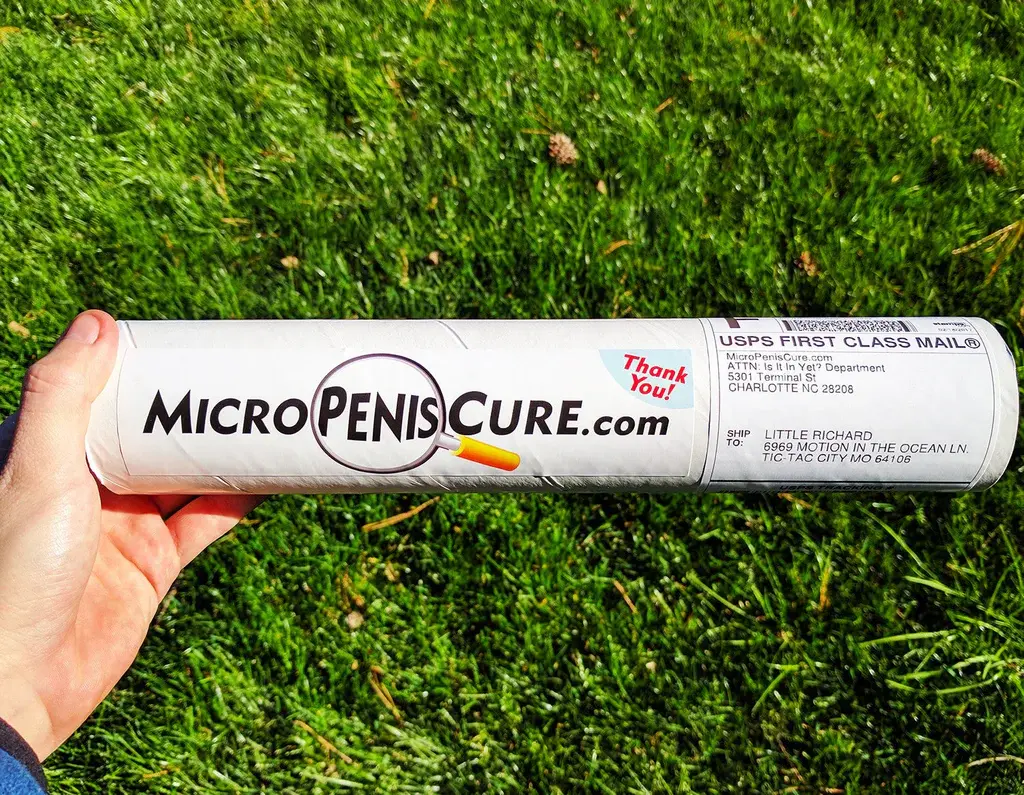
The question is whether you want a prank that creates a moment or a prank that creates a story. A can of dehydrated water gets opened, gets a laugh, and goes on a shelf. A prank mail tube addressed to someone's home with no return address and a label that says MicroPenisCure gets opened, gets a reaction, triggers a 72-hour investigation, generates group chat content for a week, and becomes a story that gets retold at every dinner for the next five years. Both are valid. They are just different categories of funny.
What Gag Gifts Actually Create a Story?
If you found this page because you are shopping for a gag gift and dehydrated water came up in your search, here is the honest comparison. Dehydrated water is clever. It is a solid bit. But if you want a prank that does more than sit on a shelf after the initial laugh, the category to explore is one where the delivery itself is the experience.
Anonymous prank mail creates a multi-day experience. A tube arrives at someone's door with no explanation. The label says something they cannot show their coworkers. The letter inside explains nothing. They spend the next three days interrogating everyone they know.
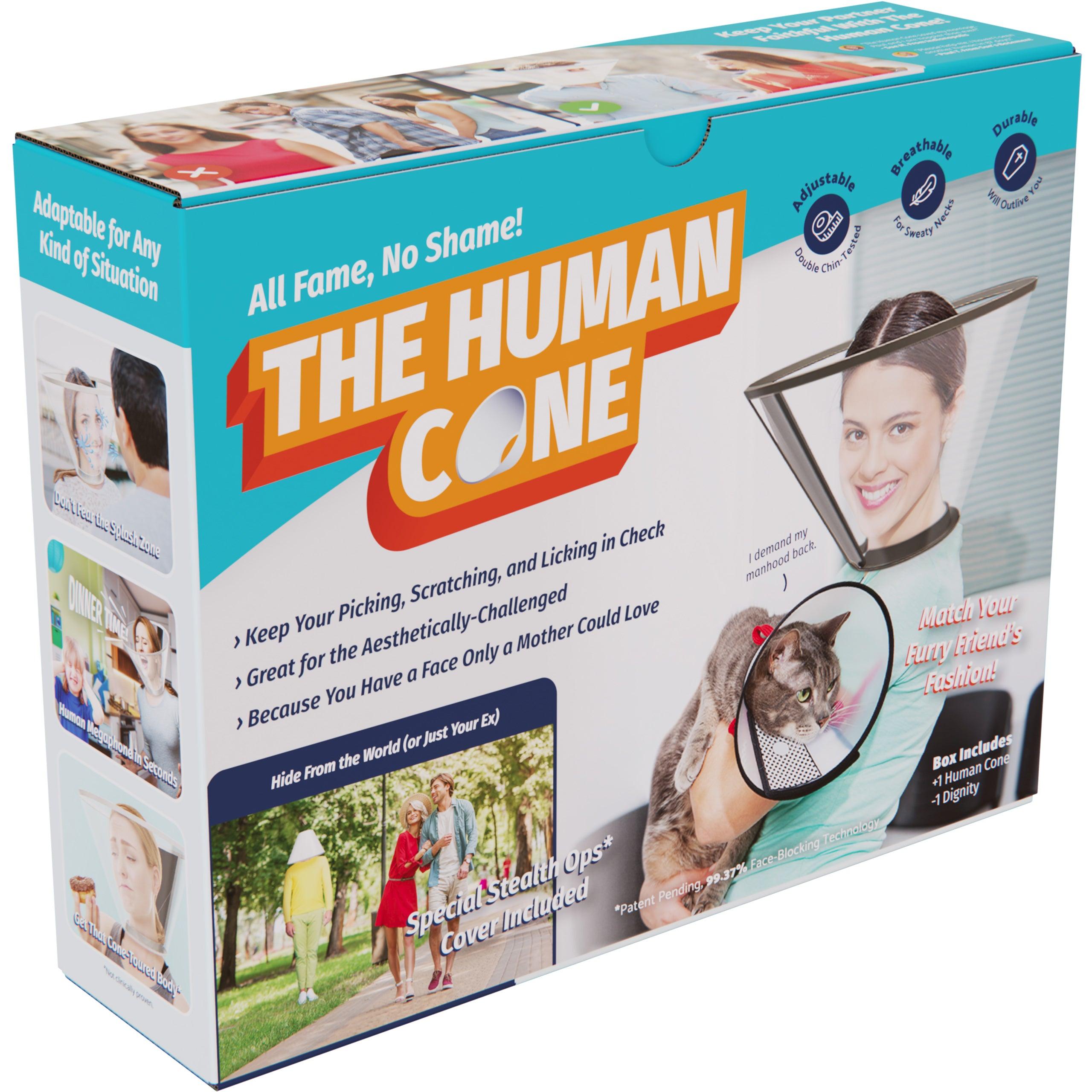
Prank boxes turn the gift-opening moment into a scene. Hand someone a professionally printed box for the Child Chucker — a device that "safely launches your toddler up to 30 feet" — and watch them read the safety warnings out loud to a room full of people. The real gift is inside. The box is the prank. The audience is the multiplier.
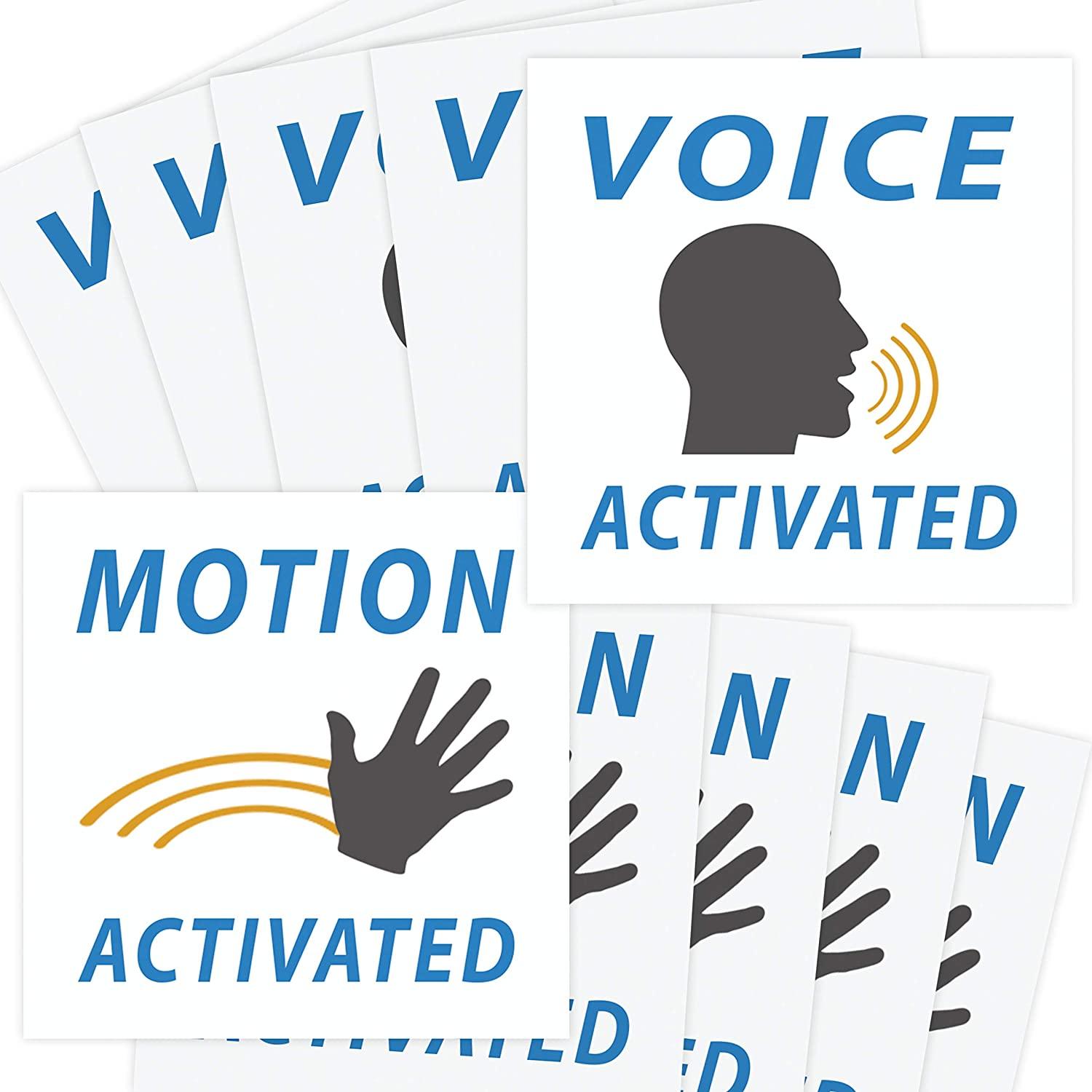
Even prank stickers create a longer arc than a single-joke novelty item. A Voice Activated sticker on a break room appliance produces fresh reactions for days — every new person who encounters it becomes a new episode. A can of dehydrated water has one episode. A sticker has a season.
Ready for a Prank That Outlasts the Shelf?
Dehydrated water is a good joke. We respect the bit. But if you want something that creates a story instead of a moment — something the recipient texts you about, complains about, investigates, and eventually laughs about for years — browse the full collection. Four categories, 24 products, every budget from $5.99 to $43.99.
Not sure where to start? The 60-second prank quiz asks four questions and recommends the right product for your situation. It takes less time than reading the instructions on a can of dehydrated water. Which, to be fair, would also take very little time, because the instructions are "just add water" and the can is empty.