Key Takeaways
- Witty humor relies on intelligence, timing, and restraint — it trusts the audience to connect the dots
- The three pillars of wit: deadpan delivery, irony, and understatement
- The best pranks use wit — they do not announce themselves, they let the recipient discover the joke
There is a difference between humor that tells you it is funny and humor that trusts you to figure it out. The first kind uses exclamation marks, emojis, and laugh tracks. The second kind delivers the line with a straight face and waits.
Witty humor is the second kind. It is the joke that rewards attention, the observation that takes a beat to land, and the prank that never breaks character. This is how it works.
What Is Witty Humor, Exactly?
Wit is intelligence applied to humor. It is not about being the loudest person in the room — it is about being the one who says something that makes everyone else pause, process, and then laugh harder than they expected.
Three mechanics make humor witty:
Deadpan delivery. The speaker does not signal that a joke is happening. The humor lives entirely in the content, not the performance. A perfectly deadpan line delivered at normal volume and normal pace forces the listener to do the cognitive work of recognizing it as funny. That work is where the pleasure comes from.
Irony. Saying one thing while meaning another — but trusting the audience to catch the gap. "What a productive meeting," said after a meeting where nothing was accomplished, only works if the speaker commits to the sincerity. The moment they wink or nudge, the irony collapses.
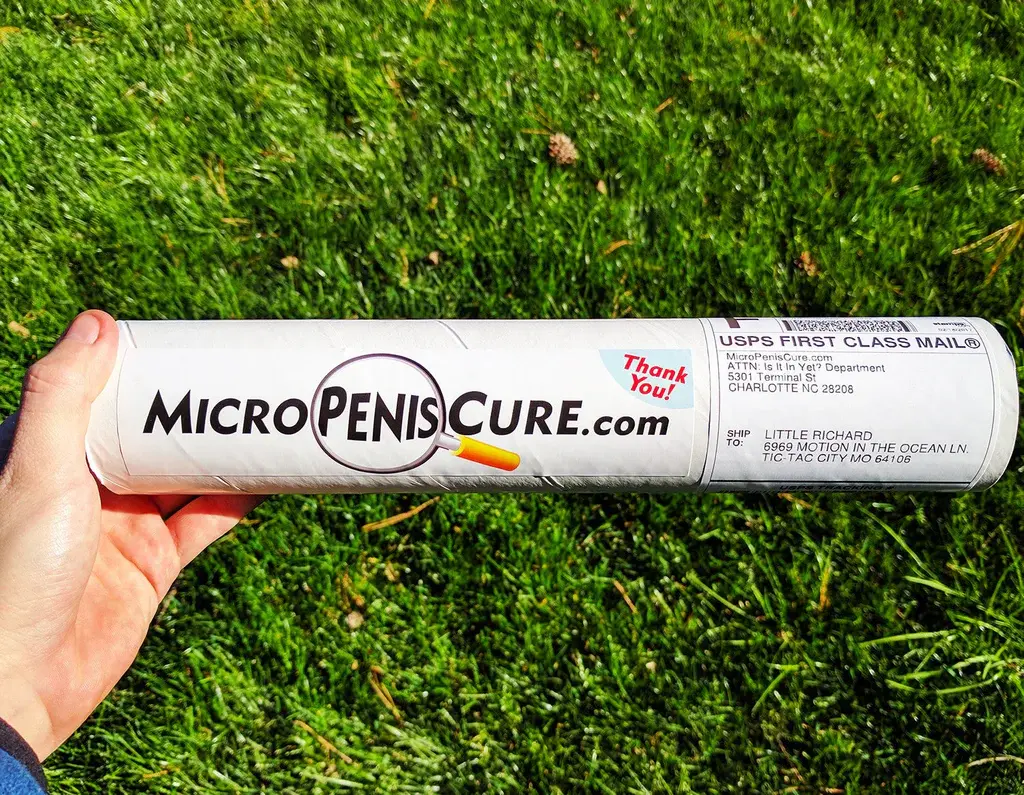
Understatement. Describing something dramatic with deliberately restrained language. A tube labeled BigAssDildos.com — Wholesale Order arriving at someone's desk via USPS while the letter inside calmly thanks them for their purchase is understatement in physical form. The drama is in the label; the letter plays it completely straight. The gap between the two is where the comedy lives.
Why Does Wit Work Better Than Loud Humor?
Loud humor — the kind that explains itself, repeats the punchline, and adds "get it?" at the end — has a ceiling. It gets a reaction, but the reaction is proportional to the volume. Turn it up, and the audience adjusts their expectations upward. Eventually you are shouting to maintain the same effect.
Wit scales differently. A perfectly placed observation at normal volume in a crowded room will land harder than a shouted punchline because it was not expected. The surprise is not in the volume — it is in the content. The audience was not braced for it, so it hits before their defenses go up.
This is why the funniest person at the dinner party is rarely the loudest. And it is why the funniest pranks are the ones that never announce themselves.
How Do the Best Pranks Use Wit?
A prank that uses wit does not reveal itself. It presents a scenario and lets the recipient draw their own conclusions.
The deadpan letter. Inside every prank mail tube, the letter does not say "this is a joke." It thanks the recipient for their order, provides a fictional order number, and encourages them to shop again. The sincerity of the letter is what makes the prank work — it treats the situation as completely normal, which forces the recipient to question their own reality.
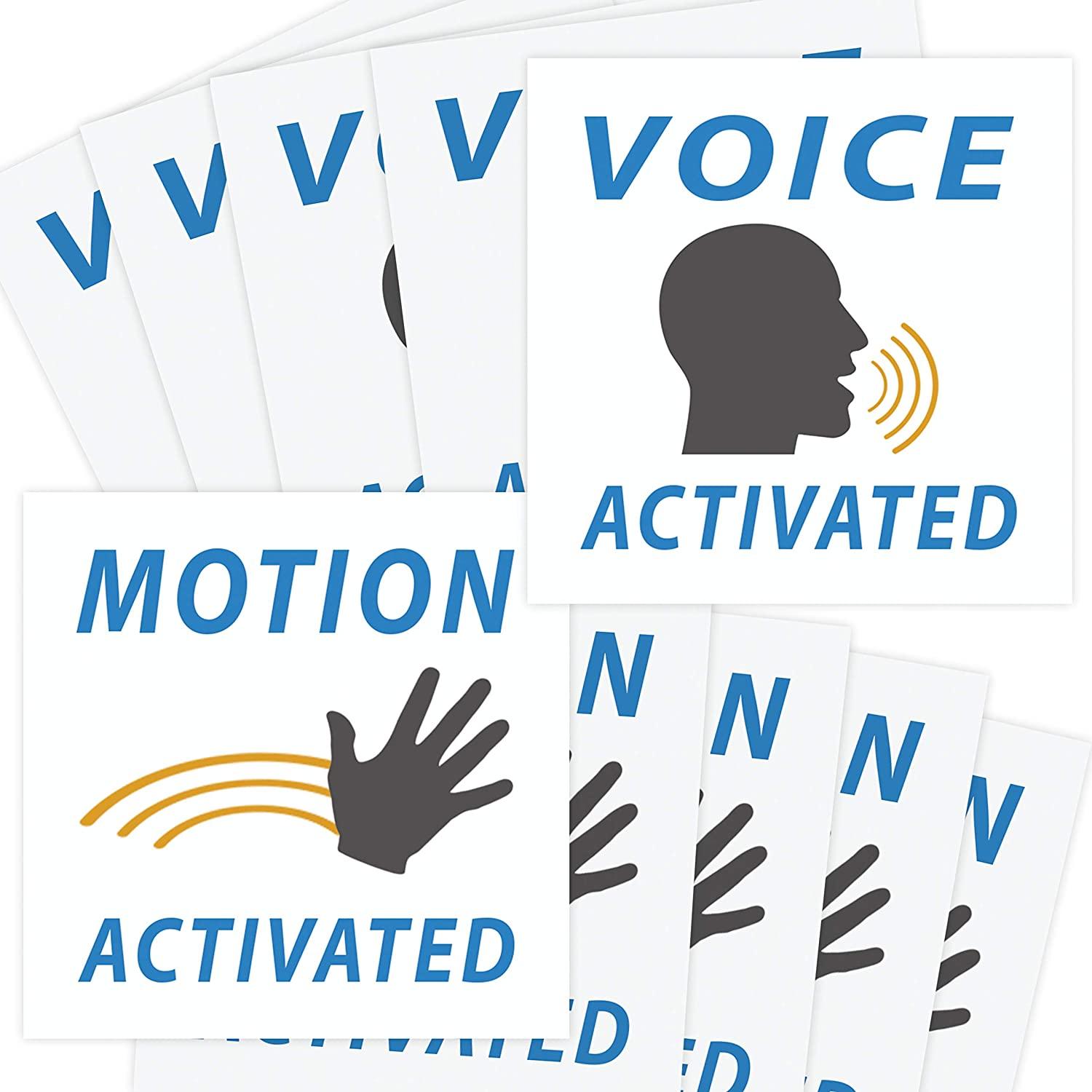
The subtle sticker. A "Now Voice Activated!" sticker on a microwave does not announce that it is a prank. It presents a simple, plausible claim — this device now responds to voice commands — and waits for someone to test it. The sticker's commitment to its own premise is the wit.
The fake citation. A fake parking ticket under a windshield wiper does not have "PRANK" stamped across it. It looks real enough to trigger a genuine physiological response — increased heart rate, slight panic, the instinct to look around for a traffic officer. The reveal, when they read the fine print, is the punchline. But it only works because the setup was played completely straight.
What Is the Opposite of Witty Humor?
Humor that explains itself. Humor that uses seventeen exclamation marks. Humor that adds "I am just joking" after the joke. Humor that inserts a laughing emoji to ensure you know it was funny.
Witty humor trusts the audience. It presents the material and steps back. If you have to explain why something is funny, it was not witty — it was information.
How to Practice Wit
Say less. The first draft of any joke or observation is usually too long. Cut it in half. If it still works, cut it again. Wit is efficiency — the fewest words for the most impact.
Commit to the bit. Deadpan only works if you do not break. The moment you smile, wink, or add "just kidding," the tension releases and the humor deflates. Stay in character.
Trust your audience. If they do not get it, that is fine. Wit is not for everyone. But the people who do get it will appreciate it more because you did not explain it to them.
The same principles apply to pranks. The best ones commit to the premise, never break character, and trust the recipient to figure it out on their own timeline.
If you want to see these principles in action, browse the Witty Yeti collection — every product is built on deadpan delivery and restraint. Or take the 60-second prank quiz to find the one that fits your style.